Trauma Insurance for Families With a History of Illness
Trauma Insurance provides a tax‑free lump‑sum payout when a serious illness like cancer, heart attack, or stroke strikes. For families with a known history of these conditions, it becomes a powerful layer of protection. It helps cover medical costs, replaces lost income, and gives families the freedom to choose faster or private treatment. Most importantly, it provides financial stability during one of life’s most stressful moments, allowing families to focus on recovery—not bills.
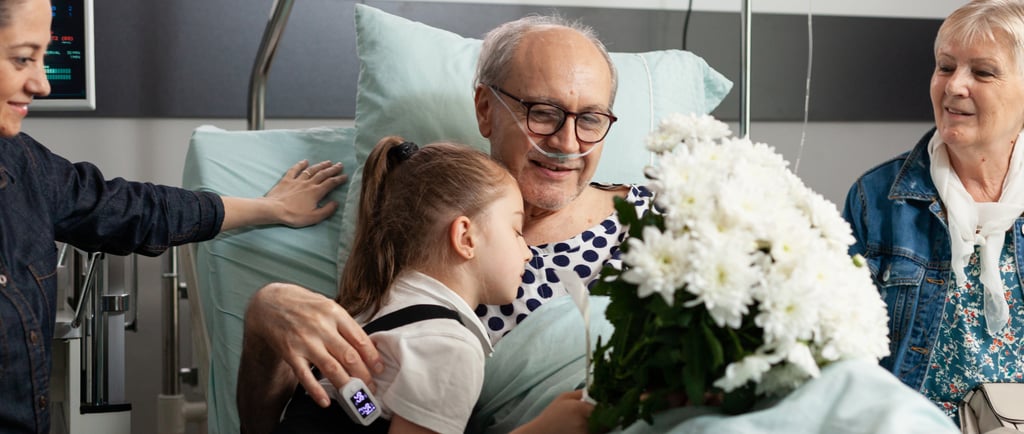
When a family has a known history of serious illness—cancer, heart disease, stroke, or other life‑altering conditions—financial protection stops being a “nice to have” and becomes a strategic necessity. In New Zealand, where many families rely on a mix of public healthcare and private insurance, Trauma Insurance (also called Critical Illness Cover) plays a unique and powerful role in safeguarding a family’s stability during the most difficult seasons of life.
This article breaks down what Trauma Insurance is, why it matters even more for families with hereditary risks, and how Kiwi households can use it to protect their future.
Understanding Trauma Insurance
Trauma Insurance pays a tax‑free lump sum if you’re diagnosed with a covered serious illness—commonly cancer, heart attack, stroke, major organ failure, and dozens of other conditions depending on the insurer.
Unlike health insurance, which pays for treatment, or income protection, which replaces monthly income, Trauma Insurance gives you immediate cash to use however you need:
Medical bills not covered by public or private healthcare
Time off work for recovery
Childcare support
Travel for specialist treatment
Mortgage or rent payments
Lifestyle adjustments (home modifications, equipment, etc.)
For families with a history of illness, this lump sum can be the difference between survival with stability and survival with financial strain.
Why Family Medical History Changes Everything
Many of the most common Trauma claims are linked to conditions that often run in families:
Cancer
Heart disease
Stroke
Diabetes‑related complications
Neurological conditions
If your parents, grandparents, or siblings have experienced these illnesses, your risk profile may be higher. That doesn’t mean you will get sick—but it does mean planning ahead is wise.
Here’s why Trauma Insurance becomes even more important:
1. Higher likelihood of needing time off work
A family history of illness increases the probability of facing a major health event before retirement age. Trauma Insurance ensures your income and lifestyle don’t collapse during recovery.
2. Earlier diagnosis is more common
Many hereditary conditions appear earlier in life. Trauma Insurance is cheaper when purchased young—and harder to get once symptoms appear.
3. ACC does not cover illness
ACC only covers accidents.
Trauma Insurance covers illness, which is where most hereditary risks lie.
4. Public healthcare has limitations
New Zealand’s public system is strong, but wait times for non‑urgent specialist care can be long. Trauma payouts can fund private treatment, faster diagnostics, or non‑Pharmac medications.
How Trauma Insurance Supports Families Emotionally and Financially
A major illness affects more than the patient—it impacts the entire household.
Financial Stability During Chaos
When a parent or income earner becomes seriously ill, the entire rhythm of a household changes overnight. What used to be predictable—work schedules, school routines, weekly budgets—suddenly becomes uncertain. And for families already carrying the weight of a medical diagnosis, the financial pressure can escalate quickly.
Reduced Income
Most serious illnesses require time off work—sometimes weeks, sometimes months. For many Kiwi families, losing even one income stream can immediately strain the budget. Mortgage payments, rent, utilities, groceries, school costs—none of these pause just because life has been turned upside down.
Increased Expenses
At the same time income drops, expenses often rise. Families may face:
Travel to specialist hospitals
Parking and accommodation costs
Private consultations to avoid long wait times
Medications not fully covered by Pharmac
Therapy, rehabilitation, or home care
Additional childcare for siblings
These costs stack up fast, and they’re rarely planned for.
Emotional Stress
A serious illness doesn’t just affect the body—it affects the entire emotional ecosystem of a family. Parents worry about recovery, finances, and how to maintain stability for their children. Stress levels rise, sleep becomes scarce, and decision‑making becomes harder.
Financial pressure only intensifies that emotional load.
Disrupted Routines
School drop‑offs, work commitments, extracurricular activities, household responsibilities—everything gets rearranged around medical appointments and caregiving needs. Families often need temporary help, flexible schedules, or additional support, all of which come with a cost.
Why the Lump‑Sum Payout Matters
This is where Trauma Insurance becomes a lifeline. A tax‑free lump‑sum payout gives families the breathing room they desperately need during chaos.
It allows them to:
Replace lost income
Pay for treatment without hesitation
Cover travel and accommodation
Hire help or childcare
Reduce work hours without fear
Keep up with mortgage or rent
Maintain a sense of normalcy for their children
Most importantly, it gives parents the freedom to focus on healing—not on how they’ll pay the next bill.
When life becomes unpredictable, Trauma Insurance restores a sense of control. It turns financial panic into financial stability, allowing families to navigate illness with dignity, clarity, and peace of mind.
Protection for Children
When a child becomes seriously ill, the impact on a family is immediate and overwhelming. Parents aren’t thinking about work, deadlines, or bills—they’re thinking about survival, treatment, and being present for every moment. This is why Child Trauma Insurance exists, and why it becomes even more valuable when a family has a known history of illness.
Some NZ insurers offer Trauma cover specifically for children, and this protection can be life‑changing. It ensures that when the unthinkable happens, parents have the financial freedom to focus on their child—not their bank account.
Specialist Consultations
Many childhood conditions require rapid access to specialists—oncologists, neurologists, cardiologists, or paediatric surgeons. While New Zealand’s public system is strong, wait times can be long, and urgent cases often push families toward private care.
A Trauma payout allows parents to:
Book private consultations immediately
Access second opinions
Choose the best specialist, not just the available one
Avoid delays that could affect outcomes
When time matters, having options matters even more.
Therapies and Ongoing Treatment
Recovery doesn’t end when a child leaves the hospital. Many conditions require months—or years—of therapy, such as:
Physiotherapy
Occupational therapy
Speech therapy
Developmental support
Psychological counselling
Rehabilitation programs
These services can be expensive, and not all are fully funded. Trauma cover ensures parents can provide every therapy their child needs without hesitation.
Time Off Work to Care for the Child
This is often the biggest financial shock. When a child is seriously ill, one parent usually needs to stop working or drastically reduce hours. Some families lose half their income overnight.
A Trauma payout gives parents the ability to:
Take extended leave
Be present during treatment
Stay with their child in hospital
Maintain stability for siblings
Avoid rushing back to work before the family is ready
It replaces lost income so parents can give their child the one thing money can’t buy—time, presence, and emotional support.
Freedom to Choose Better Care
When a serious illness strikes, the quality and speed of medical care can shape the entire recovery journey. Trauma Insurance gives families something priceless during these moments: the power to choose. Instead of being limited by waitlists, location, or cost, parents can make decisions based on what’s best for their loved one—not what’s cheapest or available.
Private Hospitals
New Zealand’s public healthcare system is strong, but it’s also stretched. Non‑urgent cases often face long wait times, and specialist availability can vary by region. With a Trauma payout, families can:
Access private hospitals immediately
Choose their preferred specialists
Avoid delays that could worsen the condition
Receive treatment in more comfortable, less crowded environments
Private care isn’t about luxury—it’s about speed, control, and peace of mind.
Faster Treatment
When dealing with cancer, heart conditions, neurological issues, or major injuries, time is everything. Faster diagnosis and treatment can significantly improve outcomes.
Trauma Insurance allows families to:
Skip long public waitlists
Get diagnostic tests done quickly
Start treatment sooner
Reduce the emotional toll of uncertainty
The ability to act immediately can change the entire trajectory of recovery.
Overseas Specialists
Some conditions require expertise or technology not readily available in New Zealand. Trauma cover gives families the financial flexibility to:
Seek second opinions overseas
Access world‑leading specialists
Explore advanced treatment options
Travel for procedures unavailable locally
For rare or complex illnesses, this can be life‑saving.
Alternative Therapies
Not every treatment is covered by public healthcare or private insurance. Many families turn to complementary therapies to support recovery, such as:
Nutritional therapy
Holistic treatments
Advanced rehabilitation programs
Mental health support
Non‑Pharmac medications
A Trauma payout gives families the freedom to explore these options without financial strain.
Trauma Insurance is not about expecting the worst—it’s about protecting your family’s future if the unexpected happens. For families with a history of illness, it becomes one of the most strategic and compassionate decisions you can make.
If your family has a history of illness, don’t wait until it’s too late. Get clarity, get options, and get protected.
Contact Susan today to explore Trauma Insurance options tailored for families.
Your health is unpredictable. Your financial protection doesn’t have to be.


Hamilton, Waikato 3210 - New Zealand
Connect With Us
All Rights Reserved @2024 Golden Life Trading Ltd. t/as Life and Health GuardiaNZ
Website Designed by MVJ